Space and Weight Reduction Benefits of Lithium-Ion Batteries in Industrial UPS Installations
Home > News
Space and Weight Reduction Benefits of Lithium-Ion Batteries in Industrial UPS Installations
Jul. 31, 2026
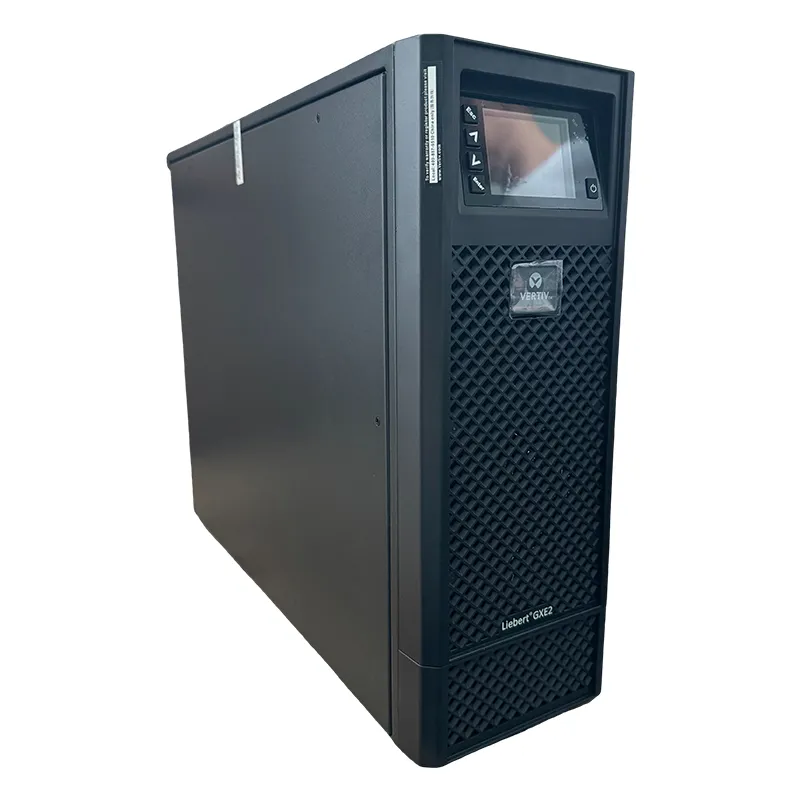
In today's fast-paced industrial environment, businesses are increasingly seeking reliable power solutions that also maximize space and efficiency. For industries reliant on uninterrupted power supply (UPS) systems, the adoption of lithium-ion batteries presents a formidable advantage. Traditional lead-acid batteries can occupy significant physical space and weigh upwards of 60 pounds per unit. In contrast, lithium-ion variants can provide similar power output with a weight reduction of approximately 50%. This notable decrease in mass allows for optimal design flexibility in industrial applications, making the transition to lithium-ion batteries more appealing.
Understanding the Space and Weight Benefits of Lithium-Ion Batteries for Industrial UPS Systems
The advantages of integrating lithium-ion batteries into industrial UPS installations extend beyond simple weight and space considerations. Lithium-ion batteries are characterized by longer lifespans, often lasting 8-10 years compared to the 3-5 years typical for lead-acid batteries. This longevity translates into a lower total cost of ownership. Furthermore, lithium-ion batteries exhibit a charge efficiency of up to 95%, allowing them to recharge to 78% capacity within just 30 minutes—far superior to the 12-14 hours required by lead-acid counterparts.
Chengyue offers lithium-ion solutions that capitalize on these benefits, focusing specifically on optimizing weight and spatial constraints. Their systems can reduce the footprint of energy storage units in warehouses by up to 40%. This creates additional room for other critical equipment or operations, enhancing overall productivity. Moreover, the reduced weight simplifies installation and maintenance, allowing technicians to work more efficiently and safely.
Advantages of Lithium-Ion Batteries in Industrial UPS Installations
While the benefits are appealing, it is essential to consider the potential disadvantages of lithium-ion batteries. One significant concern is their higher initial cost, often 2-3 times that of traditional lead-acid batteries. This upfront investment can deter some operators, especially in capital-constrained settings. Additionally, lithium-ion batteries require specific temperature controls to operate effectively, and temperatures above 140°F can lead to thermal runaways, which poses safety risks. For operations in extreme environments, this necessitates investment in climate control systems to avoid damage.
When considering the transition to lithium-ion technology, it is advisable to conduct a thorough cost-benefit analysis that projects long-term savings against initial expenditures. Businesses may explore phased implementations, starting with critical systems before fully transitioning their power supply infrastructure.
Potential Disadvantages of Lithium-Ion Batteries
The decision to invest in lithium-ion batteries hinges on various operational factors. Companies with high reliability requirements—such as data centers, hospitals, and manufacturing facilities—will find that the reduced downtime and enhanced performance justified through up to 20% lower operational disruptions. By switching to lithium-ion technology, some organizations have reported an increase in system uptime by 15%, enabling them to meet stringent operational standards.
For businesses lacking immediate space—which is a common issue in urban environments—the reduction in cabinet or floor space occupied by lithium-ion systems can significantly impact their overall operational layout. However, for those in industries where cost is a primary concern and longevity is not a critical factor, traditional options may still hold value. Yet, companies are encouraged to weigh these options against the long-term advantages offered by lithium-ion technologies.
Is It Worth Buying Lithium-Ion Batteries for Industrial UPS Systems?
In summary, lithium-ion batteries present considerable benefits for specific industrial sectors reliant on UPS systems, including manufacturing, telecommunications, and healthcare. These benefits include substantial gains in space-saving design, weight reduction, and reduced lifecycle costs when accounting for longevity and charging efficiency. Nevertheless, it is crucial for businesses to consider the upfront investment and temperature control requirements before making the switch. Companies like Chengyue provide tailored solutions that can cater to these evolving energy demands, optimizing performance while minimizing operational footprints.
Recommendations for Applicable Groups
FAQ
Q: What are the key benefits of using lithium-ion batteries for industrial UPS systems?
A: Lithium-ion batteries offer significant benefits, including reduced weight and space requirements, longer lifespans of 8-10 years, and higher charge efficiency up to 95%, which allows for faster recharge times compared to lead-acid batteries.
Q: How do lithium-ion batteries compare to traditional lead-acid batteries in terms of total cost of ownership?
A: While lithium-ion batteries have a higher initial cost, their longer lifespan and improved charging efficiency often lead to lower total cost of ownership over time, making them a cost-effective solution for industries reliant on UPS systems.
Q: What considerations should I keep in mind regarding the installation of lithium-ion battery systems?
A: When installing lithium-ion battery systems, consider the need for temperature controls to prevent overheating, as well as potential upfront costs. It may be beneficial to conduct a phased implementation, starting with critical systems.
Q: Can Chengyue customize lithium-ion solutions for my specific industrial needs?
A: Yes, Chengyue offers tailored lithium-ion solutions designed to optimize performance, reduce space requirements, and meet specific industry demands, ensuring efficient energy management in your operations.
Q: What industries could benefit most from switching to lithium-ion UPS systems?
A: Industries such as manufacturing, telecommunications, and healthcare, which require high reliability and efficiency, can benefit significantly from the reduced downtime and enhanced performance provided by lithium-ion UPS systems.


评论
发表评论